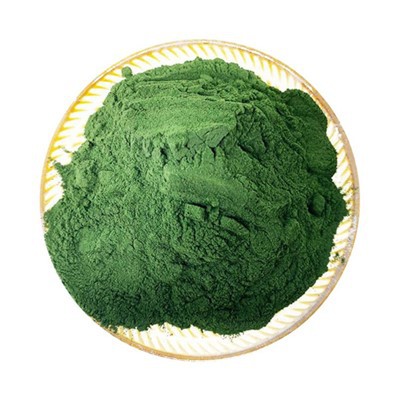
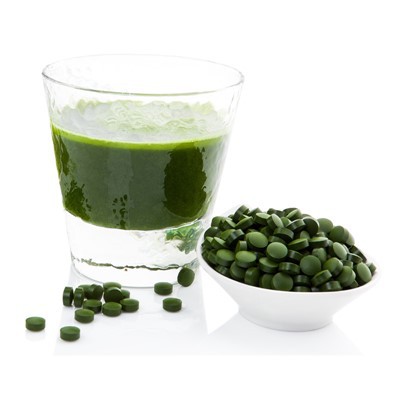
In recent years, the application of natural substances in agriculture has gained significant attention due to their potential to enhance soil fertility, improve crop health, and reduce the reliance on synthetic chemicals. Among these natural treasures, Chlorella pyrenoidosa, a single - celled green alga, has shown remarkable promise. As a leading supplier of Chlorella pyrenoidosa, I am excited to share with you the diverse uses of this incredible organism in the agricultural sector.
1. Soil Improvement
One of the primary uses of Chlorella pyrenoidosa in agriculture is for soil amendment. Chlorella pyrenoidosa is rich in essential nutrients such as nitrogen, phosphorus, potassium, and a variety of trace elements. When applied to the soil, it acts as a natural fertilizer, enriching the soil with these vital nutrients.
The alga has a high protein content, which upon decomposition, releases nitrogen into the soil in an organic form. This slow - release nitrogen is more readily available to plants compared to synthetic nitrogen fertilizers, which can often leach out of the soil quickly. Moreover, Chlorella pyrenoidosa contains growth - promoting substances like auxins and cytokines. These plant hormones stimulate root growth, leading to stronger and more extensive root systems. Plants with well - developed roots can better absorb water and nutrients from the soil, making them more resilient to drought and nutrient deficiencies.
Chlorella pyrenoidosa also improves soil structure. The polysaccharides secreted by the alga help in binding soil particles together, creating aggregates. This aggregation improves soil porosity, allowing for better air and water infiltration. As a result, the soil becomes more aerated, reducing the risk of waterlogging and providing an ideal environment for beneficial soil microorganisms. These beneficial microbes, in turn, play a crucial role in nutrient cycling and plant health.
2. Plant Growth Promotion
Beyond soil improvement, Chlorella pyrenoidosa directly promotes plant growth. The bioactive compounds present in the alga can enhance photosynthesis in plants. It contains high levels of chlorophyll, which is essential for capturing light energy during photosynthesis. When sprayed on plant leaves or applied to the soil, Chlorella pyrenoidosa can increase the chlorophyll content in plant cells, leading to more efficient photosynthesis.
This, in turn, results in increased production of carbohydrates and other organic compounds, which are essential for plant growth and development. The alga also contains vitamins such as vitamin A, vitamin C, and vitamin E, which act as antioxidants in plants. These antioxidants protect plants from oxidative stress caused by environmental factors such as high light intensity, drought, and pathogen attacks.
Studies have shown that plants treated with Chlorella pyrenoidosa have higher yields and better - quality produce. For example, in vegetable crops, the application of Chlorella pyrenoidosa can lead to larger fruit sizes, improved color, and enhanced shelf - life. In cereal crops, it can increase grain weight and yield per hectare. Farmers who have incorporated Chlorella pyrenoidosa into their farming practices have reported significant improvements in crop productivity.
3. Pest and Disease Management
Chlorella pyrenoidosa has potential applications in pest and disease management in agriculture. The alga contains bioactive compounds with antibacterial, antifungal, and insect - repellent properties. When applied to plants, it can form a protective layer on the leaf surface, preventing the attachment and penetration of pathogens.


Some of the compounds in Chlorella pyrenoidosa can induce systemic acquired resistance (SAR) in plants. SAR is a natural defense mechanism in plants that allows them to defend against a wide range of pathogens. By activating SAR, the alga helps plants to be more resistant to diseases such as powdery mildew, rust, and bacterial blight.
In addition, the strong odor and taste of Chlorella pyrenoidosa can act as a deterrent to some pests. For example, some insects are repelled by the presence of the alga on plant leaves, reducing the need for chemical insecticides. This makes Chlorella pyrenoidosa a valuable tool in integrated pest management (IPM) strategies, which aim to minimize the use of synthetic pesticides while effectively controlling pests and diseases.
4. Livestock Feed Additive
Agriculture is not just about crops; it also includes livestock farming. Chlorella pyrenoidosa can be used as a valuable feed additive for livestock. It is a rich source of protein, vitamins, and minerals, which are essential for the growth and health of animals.
When added to livestock feed, Chlorella pyrenoidosa can improve the nutritional value of the feed. The high - quality protein in the alga can help in muscle development and growth in animals. Moreover, the vitamins and minerals in Chlorella pyrenoidosa can enhance the immune system of livestock, making them more resistant to diseases.
For poultry, the inclusion of Chlorella pyrenoidosa in the feed can lead to improved egg quality, including better shell strength and higher nutrient content. In dairy cows, it can increase milk production and improve milk quality by enhancing the nutritional composition. Livestock farmers who have incorporated Chlorella pyrenoidosa into their animal feed have reported healthier animals and better - quality animal products.
5. Water Quality Improvement in Aquaculture
If we consider the aquaculture aspect of agriculture, Chlorella pyrenoidosa plays a significant role in water quality management. In fish ponds and aquaculture tanks, the alga can absorb excess nutrients such as ammonia and nitrates from the water. These nutrients are often produced as waste products by fish and other aquatic organisms and can be harmful if they accumulate in high concentrations.
Chlorella pyrenoidosa uses these nutrients for its growth, thereby reducing their levels in the water. This helps in maintaining a healthy water environment for fish and other aquaculture species. The alga also produces oxygen through photosynthesis, which is essential for the survival of aquatic organisms. Additionally, the presence of Chlorella pyrenoidosa in the water can provide a natural food source for some filter - feeding organisms in the aquaculture system, reducing the need for artificial feed.
As a supplier of high - quality Chlorella pyrenoidosa, I am committed to providing farmers, livestock producers, and aquaculturists with the best products for their agricultural needs. Our Chlorella Pyrenoidosa Supplement and Organic Chlorella Pyrenoidosa are carefully cultivated and processed to ensure maximum efficacy.
If you are interested in exploring the potential of Chlorella pyrenoidosa in your agricultural operations, I encourage you to reach out and start a discussion about your specific needs. We can work together to develop customized solutions that will help you achieve your agricultural goals. Whether you are looking for soil improvement, plant growth promotion, pest control, livestock feed enhancement, or water quality management in aquaculture, our Chlorella pyrenoidosa products can make a difference.
References
- Becker, E. W. (1994). Microalgae as a source of protein. Biotechnology Advances, 12(4), 473 - 513.
- Pulz, O., & Gross, W. (2004). Valuable products from biotechnology of microalgae. Applied Microbiology and Biotechnology, 65(6), 635 - 648.
- Shirota, K. (1998). Health benefits of Chlorella. Journal of Medicinal Food, 1(3 - 4), 173 - 179.