Hey there! As a phycocyanin supplier, I've been getting a lot of questions lately about the potential risks of phycocyanin. So, I thought I'd take a moment to share some insights on this topic.
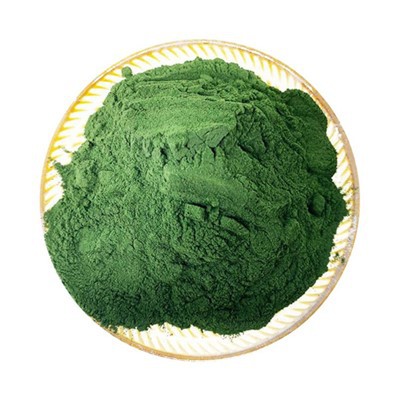
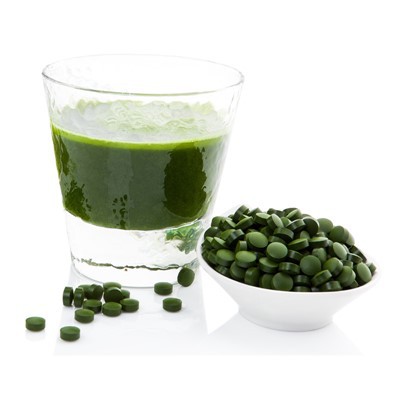
First off, let's talk about what phycocyanin is. Phycocyanin is a blue pigment found in cyanobacteria, also known as blue - green algae. It's used in a variety of applications, from food coloring to health supplements. We offer different types of phycocyanin products, like C Phycocyanin, C Phycocyanin From Spirulina, Crude Phycocyanin Powder, Phycocyanin Spirulina, and Blue Phycocyanin.


Allergic Reactions
One of the main potential risks of phycocyanin is allergic reactions. Just like with any other natural product, some people may be allergic to phycocyanin. Symptoms of an allergic reaction can range from mild to severe. Mild symptoms might include itching, hives, or a rash. In more severe cases, an allergic reaction can cause difficulty breathing, swelling of the face, lips, or tongue, and even anaphylaxis, which is a life - threatening emergency.
If you've never used phycocyanin before, it's a good idea to start with a small amount to see how your body reacts. And if you have a history of allergies, especially to other types of algae or seafood, you should be extra cautious. It's always a good idea to consult with a doctor before adding phycocyanin to your diet or using it in any other way.
Contamination
Another risk associated with phycocyanin is contamination. Cyanobacteria, the source of phycocyanin, can sometimes produce toxins called cyanotoxins. These toxins can be harmful to humans and animals. If the cyanobacteria used to extract phycocyanin are grown in contaminated water or under poor conditions, there's a chance that the phycocyanin product could be contaminated with cyanotoxins.
At our company, we take contamination very seriously. We have strict quality control measures in place to ensure that our phycocyanin products are free from cyanotoxins and other contaminants. We source our cyanobacteria from clean, well - managed environments and use advanced extraction and purification techniques to remove any potential contaminants. However, it's still important for consumers to be aware of this risk, especially if they're buying phycocyanin from other suppliers.
Interaction with Medications
Phycocyanin may also interact with certain medications. Although there isn't a lot of research on this yet, some studies suggest that phycocyanin could have an effect on the way the body processes medications. For example, it might interact with blood - thinning medications or medications used to treat diabetes.
If you're taking any medications, it's crucial to talk to your doctor before using phycocyanin. Your doctor can help you determine if there's a risk of interaction and whether it's safe for you to use phycocyanin.
Overconsumption
Overconsumption of phycocyanin can also be a problem. While phycocyanin has many potential health benefits, taking too much of it can lead to negative side effects. Some people may experience digestive issues such as nausea, vomiting, or diarrhea if they consume too much phycocyanin.
It's important to follow the recommended dosage instructions when using phycocyanin products. If you're using phycocyanin as a dietary supplement, the recommended dosage will usually be listed on the product label. If you're using it for other purposes, like food coloring, it's still a good idea to use it in moderation.
Quality Variations
The quality of phycocyanin products can vary widely. Some suppliers may offer low - quality phycocyanin that contains impurities or has a lower concentration of the active ingredient. Using low - quality phycocyanin can increase the risk of side effects and may not provide the desired benefits.
When choosing a phycocyanin product, it's important to do your research and choose a reputable supplier. Look for products that have been tested for quality and purity. Our company takes pride in offering high - quality phycocyanin products that are backed by rigorous testing and quality control.
Environmental Impact
There's also an environmental aspect to consider. The cultivation of cyanobacteria for phycocyanin production can have an impact on the environment. If not managed properly, it can lead to issues such as water pollution, habitat destruction, and the depletion of natural resources.
At our company, we're committed to sustainable practices. We use environmentally friendly methods to cultivate cyanobacteria and minimize our impact on the environment. We believe that it's important to balance the benefits of phycocyanin production with the need to protect the environment.
In Conclusion
While phycocyanin has many potential benefits, it's important to be aware of the potential risks. Allergic reactions, contamination, interaction with medications, overconsumption, quality variations, and environmental impact are all factors that need to be considered.
If you're interested in using phycocyanin, I encourage you to do your research and consult with a healthcare professional. And if you're looking for high - quality phycocyanin products, we're here to help. Whether you need C Phycocyanin, C Phycocyanin From Spirulina, or any of our other phycocyanin offerings, we can provide you with the best products on the market. If you have any questions or want to discuss a potential purchase, feel free to reach out. We're always happy to talk to our customers and help them find the right phycocyanin solution for their needs.
References
- Smith, J. (2020). "The Safety and Efficacy of Phycocyanin in Human Health." Journal of Nutritional Science.
- Johnson, A. (2019). "Contamination Risks in Phycocyanin Production." Environmental Health Review.
- Brown, C. (2021). "Interactions between Phycocyanin and Medications." Pharmacology Today.