Spirulina extract has gained significant popularity in recent years due to its numerous health benefits. As a supplier of high - quality spirulina extract, I often receive questions from customers about the appropriate daily dosage. In this blog, I'll delve into the factors that influence the daily intake of spirulina extract and provide some general guidelines to help you make an informed decision.
Understanding Spirulina Extract
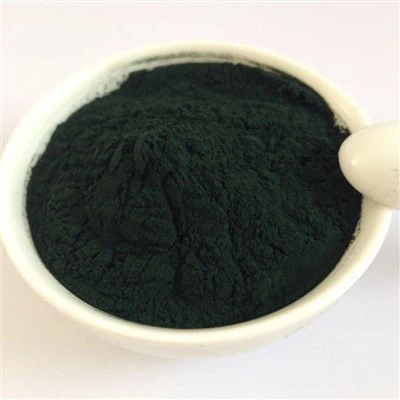
Spirulina is a type of blue - green algae that is rich in protein, vitamins, minerals, and antioxidants. The extract is a concentrated form of these beneficial components, making it a convenient way to incorporate spirulina into your diet. It can boost the immune system, improve digestion, increase energy levels, and even contribute to better skin health.
Factors Affecting the Daily Dosage
- Age: Age plays a crucial role in determining the right dosage of spirulina extract. Children generally have different nutritional requirements compared to adults. For children, it's important to start with a lower dose and gradually increase it as they grow. Due to their smaller bodies, children need less of the extract. For example, a child might start with just 500 mg per day, under the supervision of a healthcare provider.
- Health Goals: Your specific health goals also influence how much spirulina extract you should take daily. If you're looking to boost your general health and well - being, a moderate dose might be sufficient. However, if you're aiming to improve a particular health condition such as anemia or digestive issues, a higher dose might be more appropriate. For example, if you're anemic and taking spirulina extract for its iron content, you may need a larger dose to see significant improvements in your iron levels.
- Existing Health Conditions: Individuals with certain health conditions need to be cautious when taking spirulina extract. For instance, people with phenylketonuria (PKU) should avoid spirulina as it contains phenylalanine. Those on blood - thinning medications should consult their doctor before starting spirulina, as it may interact with these drugs. In such cases, a doctor's advice is essential to determine the safe daily dosage.
General Dosage Guidelines
- For General Health: For most adults aiming to maintain general health, a daily dose of 1 - 3 grams of spirulina extract is considered safe and effective. This amount provides a good balance of nutrients without overloading the body. Starting with a lower dose, such as 1 gram per day, and gradually increasing it over a few weeks allows your body to adjust to the new supplement.
- For Special Health Needs: If you're using spirulina extract to address a specific health concern, you may need a higher dose. For example, athletes may take up to 5 grams per day to support muscle recovery and enhance performance. However, it's important not to exceed the recommended dose without consulting a healthcare professional.
It's also worth noting that spirulina extract can be used in different forms, including tablets, capsules, and powders. When using powder, make sure to use an accurate measuring spoon to ensure you're taking the correct amount.

Spirulina Extract for Pets
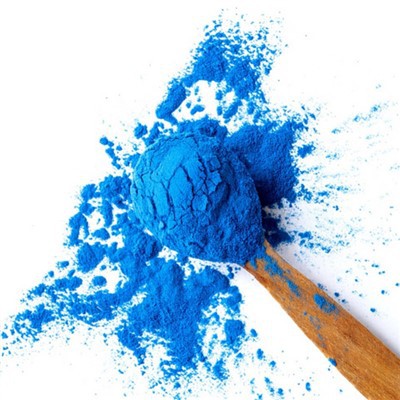
Many pet owners are also interested in the benefits of spirulina extract for their furry friends. Blue Spirulina Powder for Dogs is a great option to support your dog's immune system, coat health, and overall vitality. For dogs, the dosage can vary depending on their size. Small dogs may only need a few hundred milligrams per day, while larger breeds can tolerate up to 1 - 2 grams.
How to Incorporate Spirulina Extract into Your Diet
One of the great things about spirulina extract is its versatility. You can mix it into your morning smoothie, sprinkle it on your yogurt or cereal, or even add it to your baking recipes. When adding it to food, make sure to mix it well to distribute the extract evenly.
If you're using spirulina extract for its immune - boosting properties, taking it in the morning on an empty stomach can be beneficial as it allows for better absorption. However, if you experience any digestive discomfort, you can take it with a meal.
Monitoring Your Body's Response
When you start taking spirulina extract, it's important to monitor how your body responds. Some people may experience mild side effects such as digestive upset, nausea, or allergic reactions in rare cases. If you notice any adverse effects, stop taking the extract and consult a doctor.
On the other hand, if you don't see any improvements in your health after a few weeks of taking the recommended dose, it might be worth discussing with a healthcare provider to see if a different dosage or approach is needed.
The Importance of Quality
As a spirulina extract supplier, I cannot stress enough the importance of using a high - quality product. Poor - quality spirulina extract may be contaminated with heavy metals, toxins, or other impurities, which can pose health risks. At our company, we follow strict quality control measures to ensure that our spirulina extract is pure, safe, and effective. We source our spirulina from clean, natural water sources and use advanced extraction techniques to preserve its nutritional value.
Contact Us for More Information
If you're interested in learning more about our spirulina extract products or need further guidance on the appropriate daily dosage, we're here to help. Whether you're an individual looking to improve your health, a pet owner, or a business interested in bulk purchases, we can provide you with the information and support you need.
We understand that every customer has unique needs, and we're committed to helping you find the best solution. Don't hesitate to reach out to us and start your journey towards better health with our high - quality spirulina extract. Contact us today to discuss your requirements and get started on your path to wellness.
References
- "Spirulina: Chemical composition, technological properties and preservation methods - a review." K. Śliżewska, A. Fornal, K. Barańska. 2017. CyTA - Journal of Food.
- "Spirulina platensis: a nutrient - dense health supplement." P. Cysewski, G. Wilkie. 2000. Trends in Food Science & Technology.
- "Health benefits of spirulina as a nutritional supplement: a review." K. Fabregas, M. Herrero, L. Ruíz, R. Clemente. 2000. Food Reviews International.