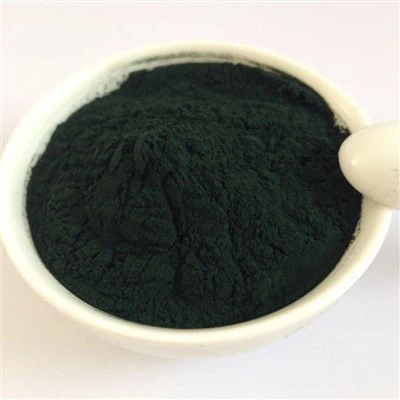
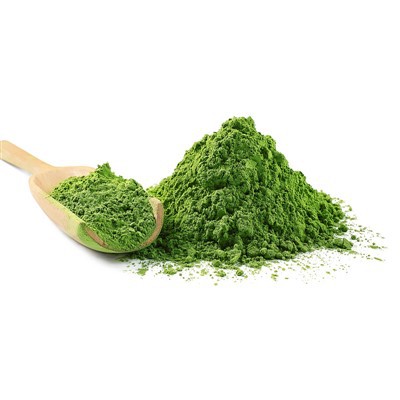
Hey there! As a supplier of chlorella and spirulina, I often get asked if these green superfoods are environmentally friendly. Well, let's dive right into it and find out.
First off, what are chlorella and spirulina? Chlorella is a single - celled green algae, while spirulina is a blue - green algae. Both are packed with nutrients like vitamins, minerals, and proteins, and they've gained a lot of popularity in the health food market.
The Environmental Benefits of Chlorella and Spirulina
1. Low Land Requirements
One of the biggest environmental perks of chlorella and spirulina is that they don't need a ton of land to grow. Unlike traditional crops such as wheat or corn, which require vast expanses of farmland, chlorella and spirulina can be cultivated in relatively small areas. They can be grown in ponds, bioreactors, or even closed - loop systems. This means that we can produce a large amount of these algae with a small land footprint, which is great for preserving natural habitats and reducing deforestation.
2. Efficient Water Use
Water is a precious resource, and chlorella and spirulina are quite efficient when it comes to water consumption. They can grow in various types of water, including brackish water and wastewater. In fact, some chlorella and spirulina cultivation systems are designed to recycle water, minimizing the overall water usage. This is a huge advantage compared to many traditional agricultural crops that guzzle large amounts of freshwater.
3. Carbon Sequestration
Chlorella and spirulina are photosynthetic organisms, which means they absorb carbon dioxide (CO₂) from the atmosphere and convert it into oxygen. They are like little carbon sinks, helping to reduce the amount of CO₂ in the air. In large - scale cultivation, these algae can play a significant role in mitigating climate change by sequestering carbon.
4. No Pesticides or Herbicides
Since chlorella and spirulina are grown in controlled environments, there's no need for pesticides or herbicides. This is not only better for the environment but also for our health. Traditional farming often relies on these chemicals, which can contaminate soil, water, and the food we eat. With chlorella and spirulina, we can enjoy a clean and chemical - free product.
Potential Environmental Challenges
1. Energy Consumption
While chlorella and spirulina have many environmental benefits, there are also some challenges. One of the main issues is energy consumption. In large - scale cultivation, especially in closed - loop systems, a significant amount of energy is required to maintain the right temperature, lighting, and circulation. If this energy comes from non - renewable sources like coal or natural gas, it can offset some of the environmental advantages. However, many suppliers, including us, are working on using renewable energy sources such as solar and wind power to reduce our carbon footprint.
2. Nutrient Management
Another challenge is nutrient management. Chlorella and spirulina need nutrients like nitrogen and phosphorus to grow. If these nutrients are not properly managed, they can leach into the surrounding environment and cause problems such as eutrophication in water bodies. This can lead to algal blooms, which are harmful to aquatic life. To address this, we use advanced nutrient management techniques to ensure that the nutrients are used efficiently and don't end up in the environment.
Our Commitment to Sustainability
As a chlorella and spirulina supplier, we take our environmental responsibilities seriously. We're constantly looking for ways to improve our cultivation methods to be more sustainable. For example, we've invested in solar panels to power our cultivation facilities, which has significantly reduced our energy consumption. We also work closely with environmental experts to manage our nutrient usage and prevent any negative impacts on the environment.
We offer high - quality products like Chlorella Spirulina Mix Powder and Best Chlorella Spirulina. These products are not only good for your health but also produced in an environmentally friendly way.
Conclusion
In conclusion, chlorella and spirulina have a lot of potential to be environmentally friendly. Their low land requirements, efficient water use, carbon sequestration abilities, and lack of pesticides make them a great choice for sustainable food production. However, we also need to address the challenges such as energy consumption and nutrient management.


If you're interested in purchasing chlorella and spirulina products, we'd love to have a chat with you. Whether you're a health food store owner, a distributor, or just someone looking for a high - quality superfood, we can provide you with the best products at competitive prices. Reach out to us to start the procurement discussion and let's work together to promote a healthier and more sustainable world.
References
- Becker, E. W. (1994). Microalgae as a source of protein. Biotechnology Advances, 12(4), 477 - 501.
- Pulz, O., & Gross, W. (2004). Valuable products from biotechnology of microalgae. Applied Microbiology and Biotechnology, 65(6), 635 - 648.
- Spolaore, P., Joannis - Cassan, C., Duran, E., & Isambert, A. (2006). Commercial applications of microalgae. Journal of Bioscience and Bioengineering, 101(2), 87 - 96.