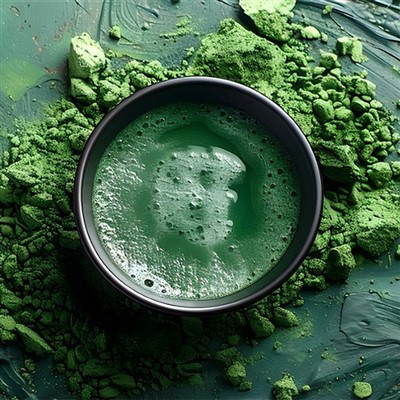
Phycocyanin, a remarkable pigment found in blue - green algae such as spirulina, has gained significant attention in recent years due to its numerous health benefits. As a phycocyanin supplier, I am often asked about how phycocyanin interacts with other nutrients. In this blog post, I will delve into the scientific aspects of these interactions and explore their implications for human health.
1. Phycocyanin: An Overview
Phycocyanin is a water - soluble protein - pigment complex. There are different types of phycocyanin, with C - phycocyanin being the most common form. You can learn more about C Phycocyanin and C Phycocyanin From Spirulina on our website. It has antioxidant, anti - inflammatory, and immune - modulating properties. Phycocyanin is available in powder form, and you can check out our Phycocyanin Powder for more details.
2. Interaction with Vitamins
2.1 Vitamin C
Vitamin C is a well - known antioxidant that plays a crucial role in the body's defense against oxidative stress. When phycocyanin and vitamin C are combined, they may have a synergistic effect. Phycocyanin can enhance the antioxidant capacity of vitamin C. Vitamin C can regenerate the oxidized form of phycocyanin, allowing it to continue exerting its antioxidant function. This interaction may help in protecting cells from free radical damage, reducing the risk of chronic diseases such as heart disease and cancer.
2.2 Vitamin E
Vitamin E is another powerful antioxidant that is fat - soluble. Phycocyanin, being water - soluble, can work in tandem with vitamin E. Vitamin E protects cell membranes from lipid peroxidation, while phycocyanin can scavenge free radicals in the aqueous phase of cells. Together, they provide comprehensive antioxidant protection throughout the body. Studies have shown that the combination of phycocyanin and vitamin E can be more effective in reducing oxidative stress than either nutrient alone.
3. Interaction with Minerals
3.1 Iron
Iron is an essential mineral for the production of hemoglobin and oxygen transport in the body. Phycocyanin may enhance iron absorption. The protein structure of phycocyanin can form complexes with iron, making it more bioavailable. This is particularly important for individuals with iron - deficiency anemia. By promoting iron absorption, phycocyanin can help improve iron status and reduce the symptoms of anemia.
3.2 Zinc
Zinc is involved in many enzymatic reactions in the body and plays a role in immune function, growth, and development. Phycocyanin may interact with zinc to enhance its biological activity. Zinc can also stabilize the structure of phycocyanin, increasing its effectiveness. The combination of phycocyanin and zinc may have beneficial effects on immune function, wound healing, and skin health.
4. Interaction with Amino Acids
Phycocyanin itself is a protein, and it contains various amino acids. When combined with other dietary amino acids, it can contribute to the overall protein pool in the body. Some amino acids may enhance the stability and activity of phycocyanin. For example, cysteine, an amino acid with antioxidant properties, can interact with phycocyanin to protect it from oxidation. Additionally, the amino acids in phycocyanin can be used for protein synthesis, which is essential for growth, repair, and maintenance of body tissues.
5. Interaction with Fatty Acids
5.1 Omega - 3 Fatty Acids
Omega - 3 fatty acids, such as eicosapentaenoic acid (EPA) and docosahexaenoic acid (DHA), are known for their anti - inflammatory properties. Phycocyanin also has anti - inflammatory effects. When phycocyanin and omega - 3 fatty acids are combined, they may have a synergistic anti - inflammatory effect. Omega - 3 fatty acids can modulate the production of inflammatory mediators, while phycocyanin can inhibit the activation of inflammatory pathways. This combination may be beneficial for individuals with inflammatory conditions such as arthritis and inflammatory bowel disease.
5.2 Saturated and Unsaturated Fatty Acids
Phycocyanin may interact with different types of fatty acids in the diet. Saturated fatty acids, when consumed in excess, can contribute to inflammation and oxidative stress. Phycocyanin can counteract these effects by reducing inflammation and scavenging free radicals. Unsaturated fatty acids, on the other hand, can enhance the solubility and bioavailability of phycocyanin, allowing it to be more effectively absorbed and utilized by the body.
6. Implications for Human Health
The interactions between phycocyanin and other nutrients have significant implications for human health. By combining phycocyanin with other beneficial nutrients, we can enhance the overall health - promoting effects. For example, a diet rich in phycocyanin, vitamins, minerals, and healthy fatty acids can support immune function, reduce oxidative stress, and prevent chronic diseases.
In the context of supplementation, combining phycocyanin with other nutrients in a single product may provide a more comprehensive approach to health. However, it is important to note that the optimal combination and dosage of these nutrients may vary depending on individual needs and health conditions.


7. Our Phycocyanin Products
As a phycocyanin supplier, we offer high - quality phycocyanin products. Our Phycocyanin Powder is pure and has been carefully processed to retain its biological activity. We also provide C Phycocyanin and C Phycocyanin From Spirulina, which are sourced from natural and sustainable blue - green algae.
8. Contact Us for Procurement
If you are interested in purchasing phycocyanin products or have any questions about how phycocyanin interacts with other nutrients, please feel free to contact us. We are more than happy to discuss your needs and provide you with detailed information about our products. Whether you are a supplement manufacturer, a health food store owner, or an individual looking for high - quality phycocyanin, we can offer you the best solutions.
References
- Chen, X., & Zhang, X. (2018). Antioxidant and anti - inflammatory effects of phycocyanin: A review. Food & Function, 9(11), 5760 - 5769.
- Guo, Y., & Wei, D. (2019). Interaction between phycocyanin and metal ions and its biological significance. Journal of Inorganic Biochemistry, 196, 110734.
- Li, Y., & Wang, H. (2020). Synergistic effects of phycocyanin and omega - 3 fatty acids on inflammation and oxidative stress. Marine Drugs, 18(7), 361.