Hey there! As a phycocyanin supplier, I often get asked this question: "Is phycocyanin safe to consume?" Well, let's dive right into it and explore this topic in detail.
First off, what the heck is phycocyanin? Phycocyanin is a pigment - protein complex found in blue - green algae like Spirulina and Arthrospira. It's got this cool blue color, and it's not just for show. It's been getting a lot of attention for its potential health benefits, including antioxidant, anti - inflammatory, and even anti - cancer properties.


Now, onto the big question: safety. In general, phycocyanin is considered safe for most people when consumed in appropriate amounts. It's a natural product, and many people have been using it for years without any major issues.
One of the reasons phycocyanin is safe is its natural origin. It comes from blue - green algae, which have been part of the human diet for centuries. For example, some indigenous cultures in Africa and South America have been eating blue - green algae for a long time. These algae are a rich source of nutrients, and phycocyanin is one of the key components.
However, like with any supplement or food, there are some things to keep in mind. If you're allergic to blue - green algae, you should definitely stay away from phycocyanin. Allergic reactions can range from mild rashes and itching to more severe symptoms like difficulty breathing. So, if you've had an allergic reaction to algae in the past, it's best to consult your doctor before trying phycocyanin.
Another thing to consider is the quality of the phycocyanin product. Not all phycocyanin on the market is created equal. Some products might be contaminated with heavy metals, toxins, or other impurities. That's why it's super important to buy from a reliable supplier. As a phycocyanin supplier, I take great pride in ensuring that our products are of the highest quality. We use strict quality control measures to make sure that our phycocyanin is pure and free from contaminants.
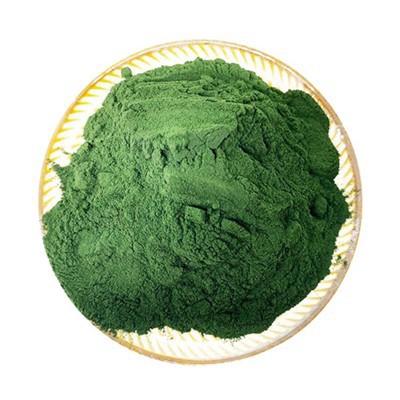
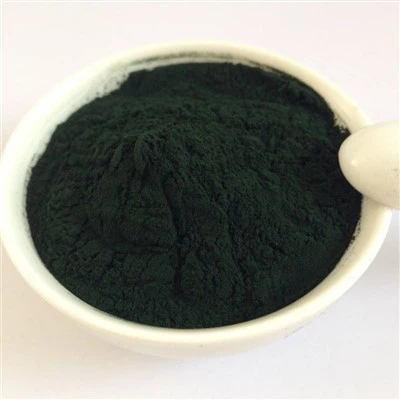
There are different forms of phycocyanin available, such as Crude Phycocyanin, Phycocyanin Tablet, and Phycocyanin Powder. Each form has its own advantages. Crude phycocyanin is more natural and might contain other beneficial components from the algae. Phycocyanin tablets are convenient for those who don't like the taste of powder or have trouble swallowing capsules. And phycocyanin powder can be easily added to smoothies, juices, or other foods.
When it comes to dosage, there isn't a one - size - fits - all recommendation. It depends on factors like your age, health status, and the reason you're taking phycocyanin. Generally, most studies have used doses ranging from a few hundred milligrams to a couple of grams per day. But it's always a good idea to start with a small dose and see how your body reacts.
Some people might worry about potential side effects. While serious side effects are rare, some people might experience mild digestive issues like nausea, diarrhea, or bloating. These symptoms usually go away on their own after a few days as your body gets used to the supplement.
Now, let's talk about the scientific research behind the safety of phycocyanin. There have been numerous studies on animals and humans that suggest phycocyanin is safe. For example, in animal studies, high doses of phycocyanin have been given to rats and mice without any signs of toxicity. In human studies, participants have taken phycocyanin supplements for weeks or even months without major adverse effects.
But as with any emerging field of research, there's still more to learn. Some studies are looking into the long - term effects of phycocyanin consumption, especially in high doses. So far, the results are promising, but more research is needed to fully understand the implications.
If you're thinking about adding phycocyanin to your diet, here are some tips. First, do your research. Read up on the benefits and safety of phycocyanin, and look for reliable sources of information. Second, talk to your doctor. They can give you personalized advice based on your health history and current medications. Third, choose a high - quality product from a reputable supplier. As I mentioned earlier, the quality of the product matters a lot.
As a phycocyanin supplier, I'm always happy to answer any questions you might have about our products. Whether you're interested in Crude Phycocyanin, Phycocyanin Tablet, or Phycocyanin Powder, we've got you covered. We're committed to providing you with the best phycocyanin products on the market.
If you're interested in purchasing phycocyanin, feel free to reach out to us. We're open to discussing your needs and helping you find the right product for you. Whether you're a retailer looking to stock our products or an individual consumer wanting to try phycocyanin for the first time, we're here to assist you.
In conclusion, phycocyanin is generally safe to consume for most people. It's a natural product with potential health benefits, but it's important to be aware of the potential risks and take the necessary precautions. If you have any concerns or questions, don't hesitate to get in touch. We're here to make your phycocyanin experience a safe and enjoyable one.
References
- Several scientific studies on the safety and health benefits of phycocyanin from peer - reviewed journals such as the Journal of Nutritional Biochemistry, Food Chemistry, etc.
- Traditional knowledge about the consumption of blue - green algae in indigenous cultures.