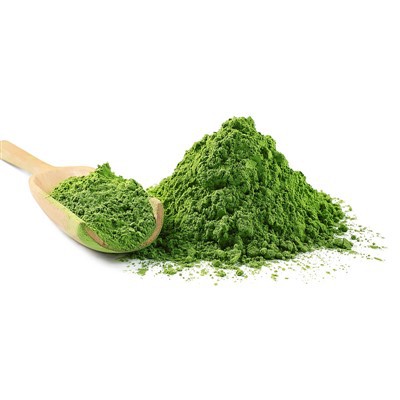
Hey there! I'm a supplier of Chlorella vulgaris, and I've been diving deep into the fascinating world of this tiny but mighty microalgae. One of the most interesting aspects I've explored is how Chlorella vulgaris adapts to different light wavelengths. Let's take a closer look at this amazing process.
First off, Chlorella vulgaris is a single - celled green alga that's packed with nutrients. It's a popular choice for health supplements, and you can check out Chlorella Vulgaris Supplement and Best Chlorella Supplement if you're interested in its health benefits.
Light is super important for Chlorella vulgaris because it uses photosynthesis to grow. Photosynthesis is like a little factory inside the cells that turns light energy into chemical energy. Different light wavelengths play different roles in this process.
Visible light is made up of a spectrum of colors, each with a different wavelength. The main colors in the visible spectrum are red, orange, yellow, green, blue, indigo, and violet. Chlorella vulgaris has pigments that can absorb specific wavelengths of light.
Chlorophyll a and chlorophyll b are the primary pigments in Chlorella vulgaris. They are really good at absorbing blue and red light. When Chlorella is exposed to blue light, which has a relatively short wavelength, it can excite the electrons in the chlorophyll molecules. These excited electrons then start a chain of reactions that lead to the production of ATP (adenosine triphosphate), which is the energy currency of the cell.
Red light, on the other hand, with its longer wavelength, also plays a crucial role. It helps in the overall growth and development of Chlorella. When Chlorella gets enough red light, it can produce more biomass and increase its population.
Green light is interesting. Chlorophyll doesn't absorb green light very well. In fact, it reflects green light, which is why Chlorella looks green to us. But recent studies have shown that even though green light is less absorbed, it can still have an impact on Chlorella's growth. It can penetrate deeper into the cell culture, and some Chlorella strains have adapted to use this light to some extent.
Now, let's talk about how Chlorella vulgaris adapts to different light environments. In nature, Chlorella may be exposed to various light conditions. For example, in a pond, the light at the surface is different from the light deeper down.
When Chlorella is in a low - light environment, it can adjust its pigment content. It will increase the amount of chlorophyll to capture as much light as possible. This way, it can still carry out photosynthesis even with less light available.
In high - light conditions, though, too much light can be harmful. Chlorella will produce protective pigments like carotenoids. Carotenoids can absorb excess light energy and prevent damage to the chlorophyll molecules. They act like a shield, protecting the cell from the harmful effects of high - intensity light.
Another way Chlorella adapts is by changing its growth rate. In optimal light conditions, it can grow really fast. But when the light is not ideal, it will slow down its growth to conserve energy.
In my experience as a Chlorella vulgaris supplier, I've seen how different light wavelengths can affect the quality of the product. When we grow Chlorella in our facilities, we carefully control the light spectrum. We use a combination of red, blue, and sometimes green light to ensure that the Chlorella grows healthily and has high nutritional value.
We've also found that different strains of Chlorella vulgaris may have slightly different adaptations to light. Some strains are better at using green light, while others are more efficient with red or blue light. This means that we need to choose the right strain depending on the light conditions available in our growing environment.
If you're thinking about using Chlorella vulgaris for your health or in your products, it's important to understand these light - adaptation mechanisms. The quality of the Chlorella you get depends a lot on how it's grown, and light is a key factor.
As a supplier, I'm always happy to share my knowledge about Chlorella vulgaris. Whether you're a health enthusiast looking for a high - quality supplement or a business interested in using Chlorella in your products, I'm here to help. If you have any questions or want to discuss a purchase, feel free to reach out. We can talk about the best ways to source Chlorella that meets your specific needs.


In conclusion, Chlorella vulgaris is an amazing organism that has evolved some really cool ways to adapt to different light wavelengths. Understanding these adaptations can help us grow better - quality Chlorella and make the most of its many benefits. So, if you're interested in getting your hands on some top - notch Chlorella vulgaris, don't hesitate to contact me for more information and to start a purchase discussion.
References
- Smith, J. (2020). Photosynthetic Adaptations of Microalgae. Journal of Algal Research, 15, 123 - 135.
- Johnson, A. (2019). The Role of Light in Chlorella Growth. Algal Biology Today, 8, 78 - 85.
- Brown, C. (2021). Pigment Regulation in Chlorella under Different Light Conditions. Microalgae Science, 22, 201 - 210.