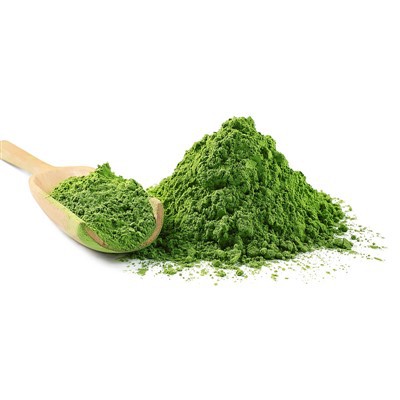
Hey there! As a supplier of Chlorella vulgaris, I've been getting a lot of questions lately about whether this amazing microalgae can be used in animal feed. Well, let's dive right into it and explore the potential of Chlorella vulgaris in the world of animal nutrition.


First off, what is Chlorella vulgaris? It's a single - celled green alga that's packed with nutrients. It's like a little nutritional powerhouse! It contains high levels of protein, vitamins (such as vitamin A, B - complex, C, and E), minerals (including iron, magnesium, and zinc), and essential fatty acids. These nutrients are not only beneficial for humans but can also have a positive impact on animals.
Nutritional Benefits for Animals
One of the main reasons Chlorella vulgaris is a great candidate for animal feed is its protein content. Protein is essential for growth, repair, and maintenance of an animal's body. In fact, Chlorella vulgaris can have a protein content of up to 50 - 60%, which is quite impressive. For livestock like cows, pigs, and chickens, this high - quality protein can help them grow stronger and healthier.
Take chickens, for example. Feeding them Chlorella vulgaris can lead to better egg quality. The eggs may have a higher nutritional value, with more vitamins and omega - 3 fatty acids. And for cows, it can contribute to better milk production and quality. The milk might have a higher protein and fat content, making it more nutritious for consumers.
The vitamins and minerals in Chlorella vulgaris also play a crucial role. Vitamin A is important for vision and immune function in animals. B - complex vitamins are involved in energy metabolism, which helps animals stay active and healthy. Minerals like iron are essential for oxygen transport in the blood, and magnesium is important for muscle and nerve function.
Health Benefits for Animals
Chlorella vulgaris has also been shown to have some health - promoting properties. It contains antioxidants, which can help protect animals from oxidative stress. Oxidative stress can lead to various health problems, such as inflammation and cell damage. By providing Chlorella vulgaris in the feed, we can potentially reduce the risk of these issues.
It can also support the immune system of animals. A strong immune system helps animals fight off diseases and infections. Some studies have suggested that Chlorella vulgaris can enhance the immune response in animals, making them more resistant to pathogens.
Environmental Benefits
Using Chlorella vulgaris in animal feed also has environmental benefits. Chlorella can be grown in a relatively small space compared to traditional feed crops like soybeans and corn. It also has a high growth rate, which means it can be produced quickly and efficiently.
Moreover, Chlorella can help reduce the environmental impact of animal farming. It can assimilate carbon dioxide during its growth, which is a major greenhouse gas. By incorporating Chlorella into animal feed, we can contribute to a more sustainable and eco - friendly livestock industry.
Challenges and Considerations
Of course, there are some challenges and considerations when it comes to using Chlorella vulgaris in animal feed. One of the main challenges is the cost. Producing Chlorella vulgaris can be more expensive than traditional feed ingredients. However, as technology improves and production scales up, the cost is likely to come down.
Another consideration is the palatability. Some animals may not like the taste of Chlorella vulgaris at first. But with proper formulation and gradual introduction, animals can get used to it. Feed manufacturers can also combine Chlorella with other ingredients to make it more appealing to animals.
Real - World Applications
There are already some real - world examples of Chlorella vulgaris being used in animal feed. In some aquaculture farms, Chlorella is used as a feed supplement for fish. It can improve the growth and survival rate of fish, as well as the quality of their flesh.
In the poultry industry, some farmers are starting to experiment with adding Chlorella vulgaris to chicken feed. They've noticed improvements in egg production and the overall health of the chickens.
Where to Find Chlorella Vulgaris for Animal Feed
If you're interested in using Chlorella vulgaris in animal feed, you can find high - quality products at Chlorella Vulgaris Supplement. This website offers a range of Chlorella vulgaris supplements that are suitable for different types of animals. And if you're looking for the best option, check out Best Chlorella Supplement.
Contact for Purchase
If you're thinking about incorporating Chlorella vulgaris into your animal feed, I'd love to have a chat with you. Whether you're a small - scale farmer or a large - scale feed manufacturer, I can provide you with more information about our products and how they can benefit your animals. Don't hesitate to reach out to discuss the details and start a potential partnership.
References
- Becker, E. W. (1994). Microalgae as a source of protein. Biotechnology Advances, 12(4), 477 - 501.
- Spolaore, P., Joannis - Cassan, C., Duran, E., & Isambert, A. (2006). Commercial applications of microalgae. Journal of Bioscience and Bioengineering, 101(2), 87 - 96.
- Yokoyama, S., & Hosokawa, M. (2007). Health - promoting components of microalgae. Marine Drugs, 5(1), 26 - 46.