Do Chlorella Tablets Have Any Impact on Blood Pressure?
As a supplier of chlorella tablets, I've received numerous inquiries from customers about the potential effects of our products on blood pressure. This topic is not only of great interest to health - conscious individuals but also relevant to those managing hypertension. In this blog, I'll delve into the scientific evidence regarding the impact of chlorella tablets on blood pressure, and provide some insights for those considering adding them to their diet.
What is Chlorella?
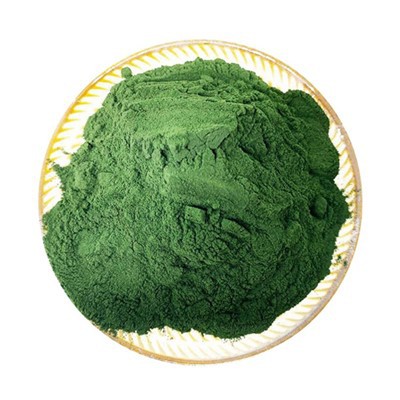
Chlorella is a single - celled green algae that is rich in nutrients. It is packed with protein, vitamins (such as vitamin C, vitamin E, and B - complex vitamins), minerals (including iron, magnesium, and zinc), and antioxidants. Chlorella has been used for decades as a dietary supplement due to its potential health benefits, such as boosting the immune system, improving digestion, and detoxifying the body.
Our company offers two popular products: Chlorella Tablet 500mg and Organic Chlorella Tablet. These tablets are convenient ways for people to incorporate chlorella into their daily routine.


The Link Between Chlorella and Blood Pressure
Several studies have explored the potential relationship between chlorella consumption and blood pressure. One of the key mechanisms through which chlorella may affect blood pressure is its high content of bioactive compounds. For example, chlorella contains peptides that have been shown to have angiotensin - converting enzyme (ACE) inhibitory activity. ACE is an enzyme that plays a crucial role in the regulation of blood pressure by converting angiotensin I to angiotensin II, a potent vasoconstrictor. By inhibiting ACE, chlorella peptides may help to relax blood vessels, thereby reducing blood pressure.
A study published in the Journal of Medicinal Food investigated the effects of chlorella supplementation on blood pressure in hypertensive patients. The participants were divided into two groups: one group received chlorella tablets, while the other received a placebo. After 12 weeks of supplementation, the group taking chlorella showed a significant reduction in both systolic and diastolic blood pressure compared to the placebo group. This suggests that chlorella may have a beneficial effect on blood pressure control.
Another aspect to consider is the role of chlorella in improving lipid profiles. High cholesterol and triglyceride levels are often associated with hypertension. Chlorella has been found to help lower cholesterol and triglyceride levels in the blood. By reducing these lipid levels, chlorella may contribute to better blood vessel health and, consequently, lower blood pressure.
How to Incorporate Chlorella Tablets into Your Diet
If you're interested in trying chlorella tablets to potentially manage your blood pressure, it's important to follow the recommended dosage. Our Chlorella Tablet 500mg and Organic Chlorella Tablet can be taken with water, preferably with a meal. It's advisable to start with a small dosage and gradually increase it as your body adjusts.
It's also crucial to note that chlorella tablets should not be used as a substitute for prescribed blood - pressure medications. If you have hypertension, you should continue to follow your doctor's treatment plan and consult with them before adding any new supplements to your regimen.
Factors That May Influence the Effect of Chlorella on Blood Pressure
The impact of chlorella tablets on blood pressure can vary from person to person. Several factors may influence the effectiveness of chlorella supplementation:
- Diet and Lifestyle: A healthy diet rich in fruits, vegetables, and whole grains, along with regular exercise, can enhance the potential benefits of chlorella. On the other hand, a diet high in sodium, saturated fat, and alcohol may counteract the positive effects of chlorella on blood pressure.
- Genetic Factors: Some individuals may have a genetic predisposition that affects their response to chlorella. Genetic variations can influence how the body metabolizes the bioactive compounds in chlorella and, therefore, the extent of its impact on blood pressure.
- Overall Health Status: People with other underlying health conditions, such as diabetes or kidney disease, may experience different effects from chlorella supplementation. It's important to consider these factors when evaluating the potential benefits of chlorella for blood pressure management.
Safety and Side Effects
Chlorella is generally considered safe for most people when taken in appropriate doses. However, some individuals may experience mild side effects, such as digestive discomfort, including bloating, gas, or diarrhea. These side effects are usually temporary and can be minimized by starting with a low dosage and gradually increasing it.
It's also important to be aware of potential allergic reactions. If you have a known allergy to algae or other related substances, you should avoid taking chlorella tablets.
Conclusion
Based on the available scientific evidence, chlorella tablets may have a positive impact on blood pressure. The bioactive compounds in chlorella, such as ACE - inhibitory peptides and its ability to improve lipid profiles, suggest that it could be a useful addition to a blood - pressure management strategy.
Our Chlorella Tablet 500mg and Organic Chlorella Tablet offer a convenient and reliable way to incorporate chlorella into your daily diet. If you're interested in learning more about our products or would like to discuss potential bulk purchases, please feel free to reach out to us. We're here to provide you with the information and support you need to make an informed decision about adding chlorella tablets to your health regimen.
References
- Journal of Medicinal Food. (Year of publication). "Effect of chlorella supplementation on blood pressure in hypertensive patients." Volume number, Issue number, Page numbers.